Dead Branch Removal in Allentown, PA
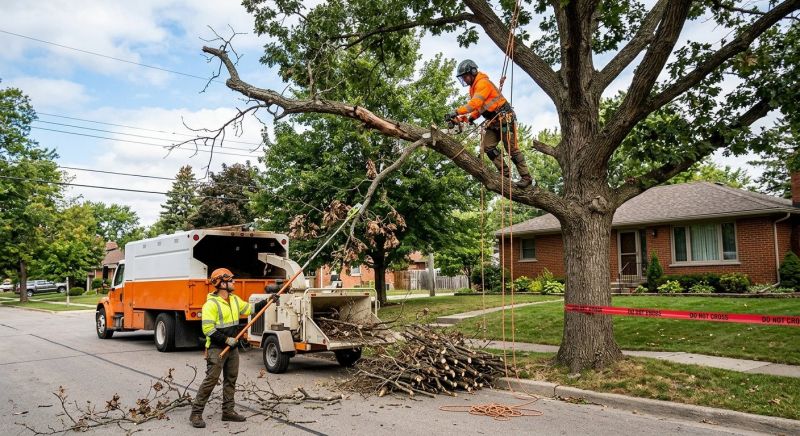
Dead branch removal services involve the safe and efficient removal of dead or decaying limbs from trees to maintain the health and safety of a property. This type of service typically covers projects such as trimming hazardous branches that pose a risk of falling, removing deadwood that can attract pests, and pruning overgrown limbs that interfere with power lines or structures. Homeowners often seek this service to prevent damage during storms, improve the overall appearance of their landscape, or promote healthier tree growth.
Before requesting dead branch removal, property owners should consider the size, location, and condition of the branches in question. It’s important to understand whether the branches are accessible and if their removal might impact the overall health of the tree. Clarifying the scope of work and any potential restrictions can help ensure the project meets safety standards and aligns with property maintenance goals. Proper assessment and planning are key to achieving effective and safe dead branch removal.
Many property owners in Allentown, PA look into Dead Branch Removal for repairs, replacements, upgrades, and appearance-related improvements.
Safety And Property Protection
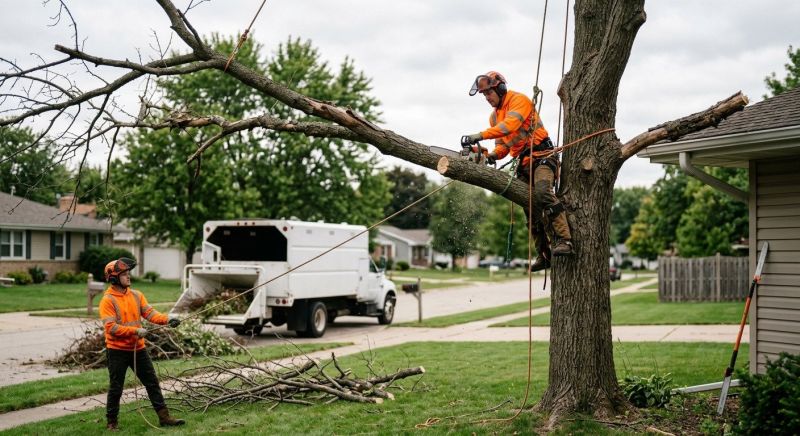
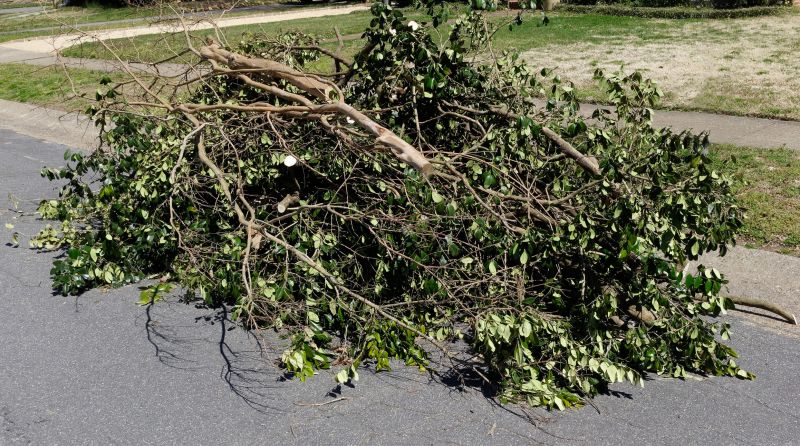
Removing dead branches reduces the risk of falling debris and property damage.
Tree Health And Longevity
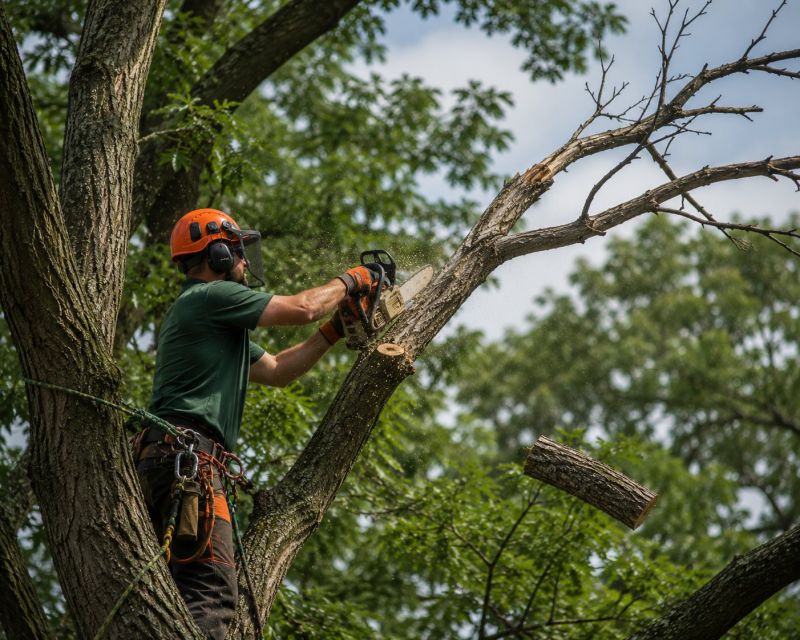
Pruning dead branches helps maintain the overall health and stability of trees in allentown neighborhoods.
Aesthetic Improvement
Clearing dead limbs enhances the appearance and curb appeal of residential and commercial properties.
Dead Branch Removal in Allentown, PA
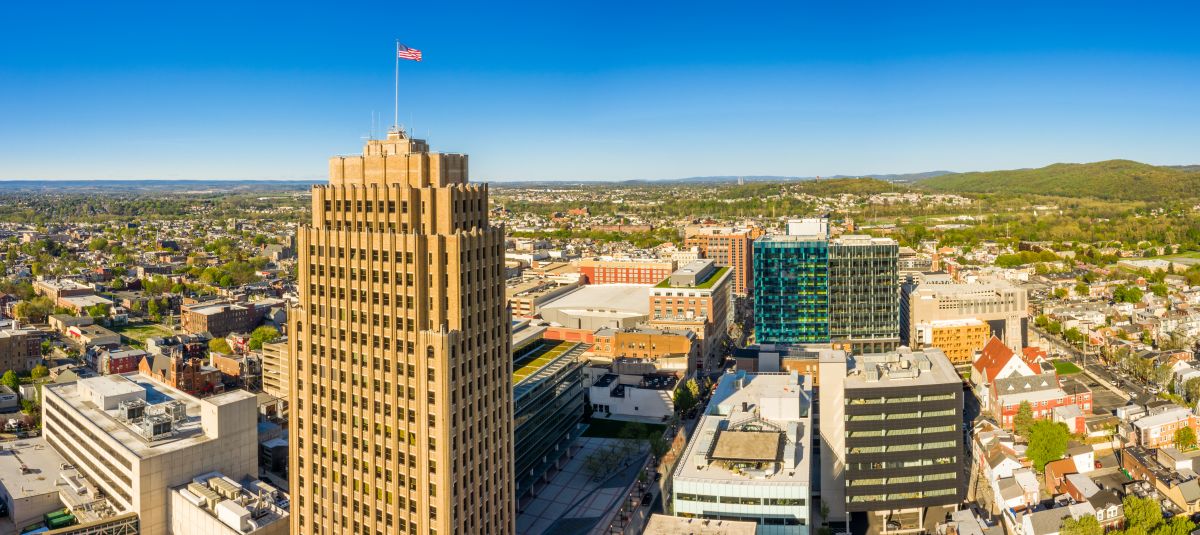
Dead branch removal services involve the safe and efficient removal of dead or decaying limbs from trees to maintain the health and safety of a property. This type of service typically covers projects such as trimming hazardous branches that pose a risk of falling, removing deadwood that can attract pests, and pruning overgrown limbs that interfere with power lines or structures. Homeowners often seek this service to prevent damage during storms, improve the overall appearance of their landscape, or promote healthier tree growth.
Before requesting dead branch removal, property owners should consider the size, location, and condition of the branches in question. It’s important to understand whether the branches are accessible and if their removal might impact the overall health of the tree. Clarifying the scope of work and any potential restrictions can help ensure the project meets safety standards and aligns with property maintenance goals. Proper assessment and planning are key to achieving effective and safe dead branch removal.
Many property owners in Allentown, PA look into Dead Branch Removal for repairs, replacements, upgrades, and appearance-related improvements.
Common Dead Branch Removal Jobs
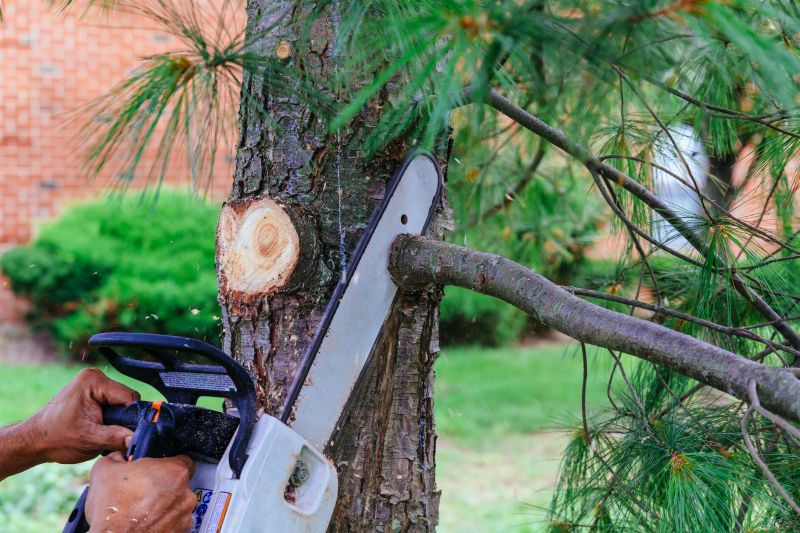
Dead branch removal - removes hazardous branches that pose a risk of falling and causing damage.
Tree health maintenance - improves tree vitality by removing dead or diseased limbs.
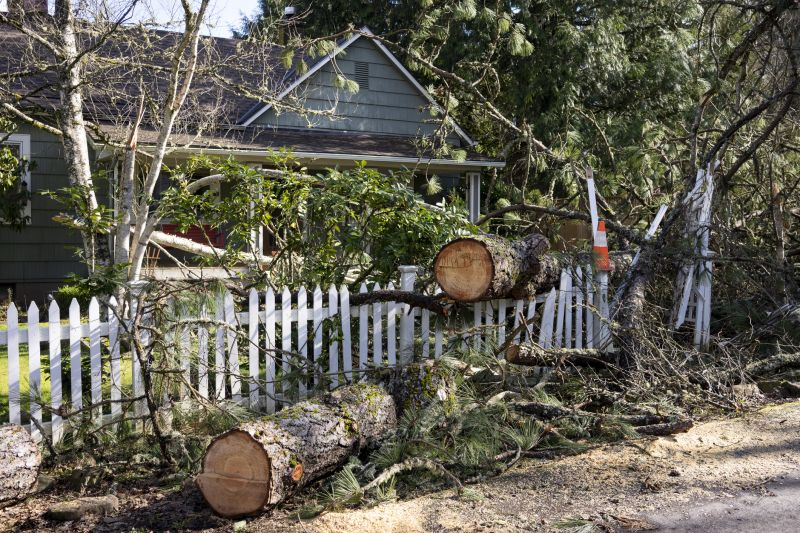
Storm damage cleanup - clears broken or fallen branches after severe weather events.
Overgrown branch trimming - reduces excess growth to prevent interference with power lines or structures.
Property safety services - minimizes hazards from dead branches that could fall unexpectedly.
Landscape enhancement - promotes a healthier, more attractive yard by removing unsightly dead wood.
Dead Branch Removal Questions
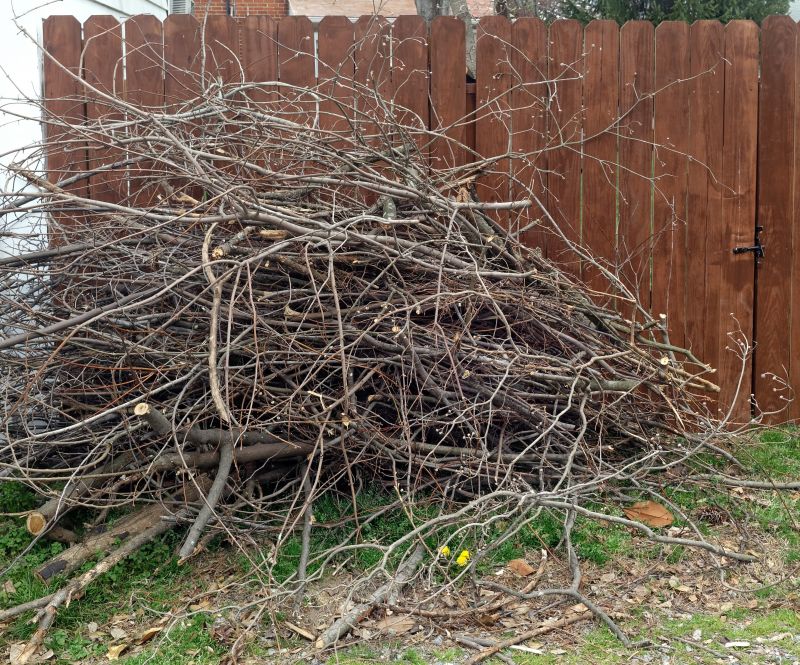
Why should dead branches be removed? Removing dead branches helps prevent potential damage to the tree and nearby property caused by falling limbs.
How can dead branches affect my property? Dead branches can fall unexpectedly, posing a risk to people, vehicles, and structures on the property.
What signs indicate a branch is dead? Browning leaves, brittle texture, and lack of new growth are common signs of dead or dying branches.
Is dead branch removal safe for the tree? Proper removal techniques can promote tree health and reduce the risk of disease or decay.
Request Dead Branch Removal in Allentown, PA
Use the quote form on this page to share the basics of your project and request more information for the type of work you need.